
.svg)


Online shoppers have been empowered with the ability to buy things that LLMs recommend, without leaving the chat window. ChatGPT can already check a shopper out from Etsy or a Shopify store. Meanwhile, Google's AI Mode can do the same for a product it surfaces mid-search. Both are running in production on real orders, for real retailers.
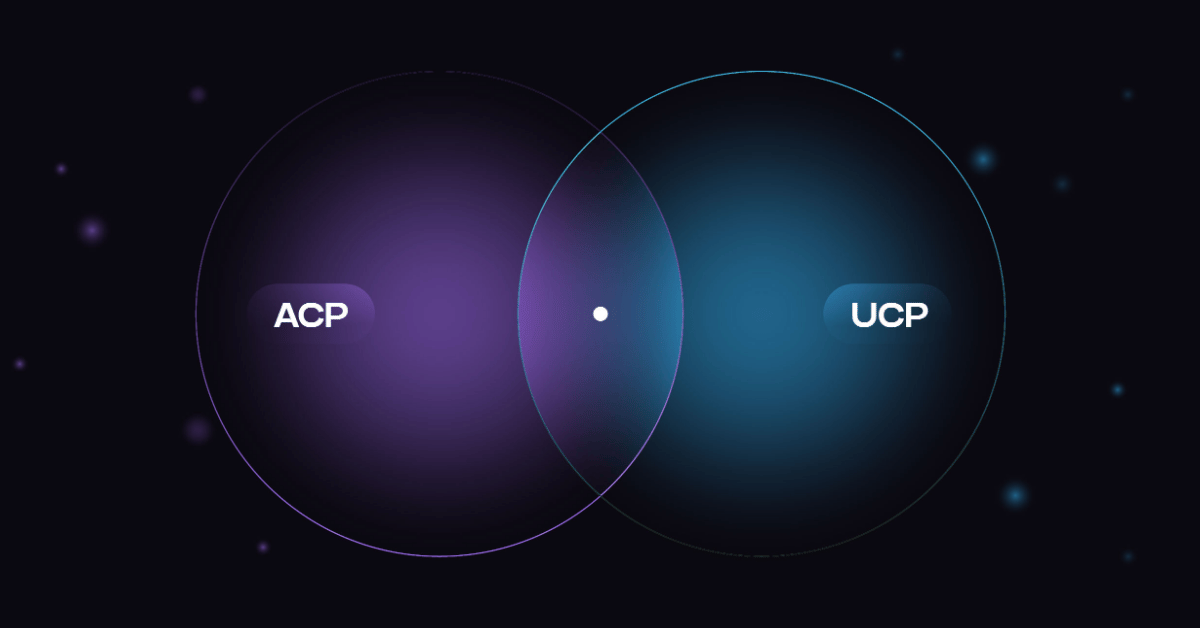
Two protocols make these shopping journeys possible. OpenAI built one with Stripe, called the Agentic Commerce Protocol (ACP). Google built a separate one with Shopify and a large group of retail and payments partners, called the Universal Commerce Protocol (UCP). Most brands have heard both acronyms mentioned somewhere, but the finer details of how they work might be muddier: What can each protocol actually do? How can brands opt-in? What do compliant product feeds need to include?
In this post, we’ll cover what ACP and UCP do and how they’re different, and what you need in place to show up in either one.
What is ACP?
The Agentic Commerce Protocol came out of a partnership between OpenAI and Stripe, first announced in September 2025 alongside Instant Checkout in ChatGPT. Instant Checkout initially let US ChatGPT users buy from Etsy sellers, with Shopify merchants such as Glossier, SKIMS, Spanx, and Vuori added shortly after.
The mechanics are fairly narrow by design. When a shopper decides to buy something mid-conversation, ChatGPT sends order details to the merchant's backend. The merchant's system accepts or declines the order and processes payment through whatever provider it already uses. Stripe merchants can turn on these agentic payments by adding specific code to their website code, and merchants on other processors can still participate through Stripe's Shared Payment Token API or the protocol's own Delegated Payments Spec. The retailer keeps its existing fulfillment and support process untouched and stays the merchant of record, retaining the customer relationship, order data, and control over how the product is presented.
Before products can appear as buyable in ChatGPT, brands are required to apply through OpenAI and get approved. But reporting from March 2026 suggests OpenAI is moving away from Instant Checkout embedded in individual product listings, in favor of dedicated merchant apps inside ChatGPT — Target, DoorDash, and Instacart have already launched theirs — so requirements may shift as these apps become the new norm.
What is UCP?
Google announced the Universal Commerce Protocol in January 2026, co-developed with Shopify and endorsed by more than 20 partners including Etsy, Wayfair, Target, Walmart, Visa, Mastercard, Stripe, and Best Buy. While ACP is scoped to handle checkout, UCP covers the entire commerce lifecycle, including product discovery, cart building, checkout, identity linking for loyalty programs, and post-purchase functions like order tracking and returns.
UCP currently supports direct buying inside Google AI Mode and the Gemini app. Google has also introduced a Universal Cart that carries items across retailers and across platforms like Google Search and Gemini, so a shopper can add products from different stores into one cart and check out from any of them.
In theory, as an open, decentralized protocol, UCP lets any business or platform implement it independently by publishing a profile at a standard address on their own domain, detailing what capabilities they support (such as checkout, orders, catalog, fulfillment, and loyalty). Then any UCP-compatible agent — not just Google's — can discover and transact with them without a central approval committee governing the protocol itself.
In practice, getting into Google's own checkout feature on AI Mode and Gemini runs through a more specific process, at least right now:
- A retailer needs an active Google Merchant Center account with product listings.
- They submit an interest form to express interest in the early access program.
- Only product listings that include a specific attribute (native_commerce) become eligible to show the checkout button.
- From there, they complete the technical integration following Google's UCP implementation guide.
ACP vs. UCP: A side-by-side comparison
Why brands should care
Early data on AI-powered shopping traffic gives some indication of why brands should pay attention to these protocols. Adobe's 2025 holiday season data showed AI-referred shoppers converting at a meaningfully higher rate than other traffic, 31% more than other traffic sources, and with revenue per visit up 254% year over year. A separate study of e-commerce stores from Visibility Labs found ChatGPT referral traffic converting 31% better than non-branded organic search, at 1.81% versus 1.39%. And Adyen's 2026 retail research put the share of US shoppers using AI assistants for shopping at 35%, up from 12% the year before, with 51% of shoppers saying they’d be open to letting AI handle their entire shopping journey.
Of course, this doesn’t guarantee that a given brand will see the same lift, as conversion behavior varies by category and by how well a product's data matches what a shopper is asking for. But a product that's missing from an AI agent's index, or listed with outdated pricing or stock information, is now missing from a channel with rising order volume.
What brands need to do
First, it's important to understand the two sides of AI discovery: pushing your data directly to AI systems (via product feeds), and ensuring AI systems can pull the information they need from your website (organically.) We've put together a push checklist and a pull checklist to help you evaluate where you stand on each side.
For ACP, the practical steps are to assemble a structured product feed that OpenAI can ingest, decide whether Instant Checkout or a merchant app is the right fit for the business, and apply for approval. UCP's steps look different: the feed needs to be published in the format Google's ecosystem expects, and a business generally needs an active Merchant Center account to join Google's early access program.
Both paths have one major, underlying requirement: Product feeds with more depth than a traditional shopping feed usually has. AI agents need attributes like material, size, condition, and use-case context to match a product to a specific question, on top of the core fields brands would normally include like price, availability, GTIN. Maintaining two separate protocol-compliant feeds by hand, and keeping current across every SKU, becomes a real operational burden once a catalog reaches any meaningful size.
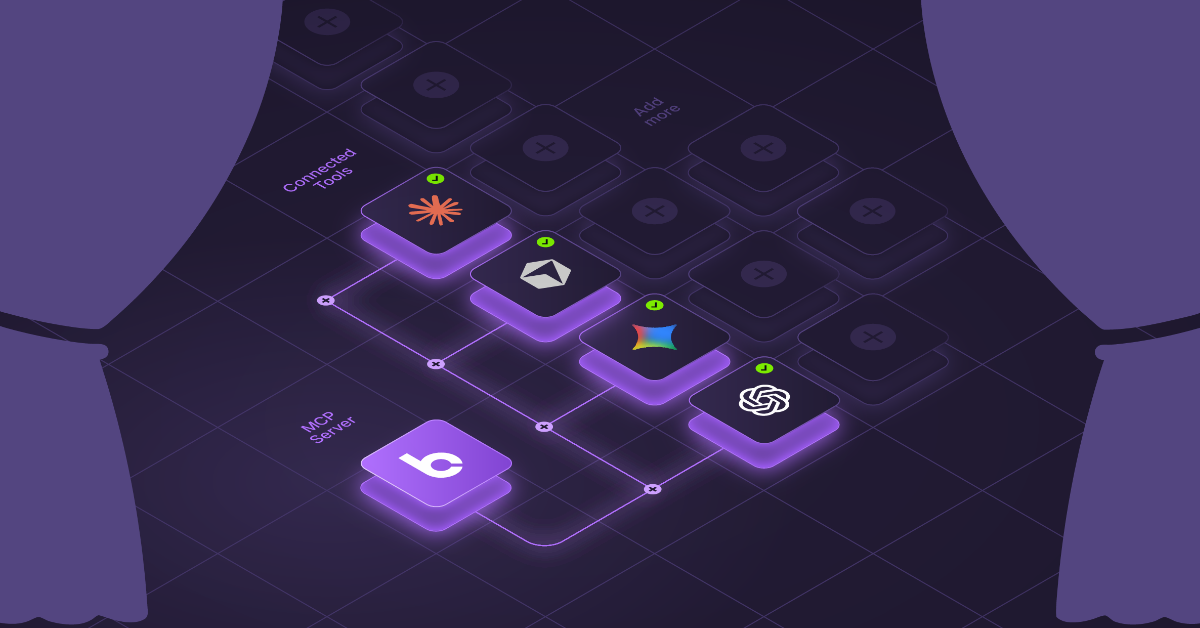
Botify's AgenticCatalog streamlines your management and delivery of AI product feeds. It takes your existing product feeds from Google Merchant Center, a PIM, or an in-house system, and fills in what AI-specific discovery needs using Botify's crawl data: reviews, Q&A content, and detailed attributes most feeds don't already carry. From there, it automatically generates feeds compliant with both ACP and UCP and delivers them to ChatGPT and Google directly, so a brand isn't maintaining two parallel feed pipelines by hand as each protocol evolves.
Curious where your catalog stands today? Request a demo of AgenticCatalog or explore Botify's agentic commerce solutions.
Not sure how AI-ready your brand is? Score yourself across 9 dimensions with our new AI Readiness Guide & Scorecard (a free download):
.png)
.png)

.svg)
.svg)
